Broadcaster of the Year: Radio - Chuck Seese
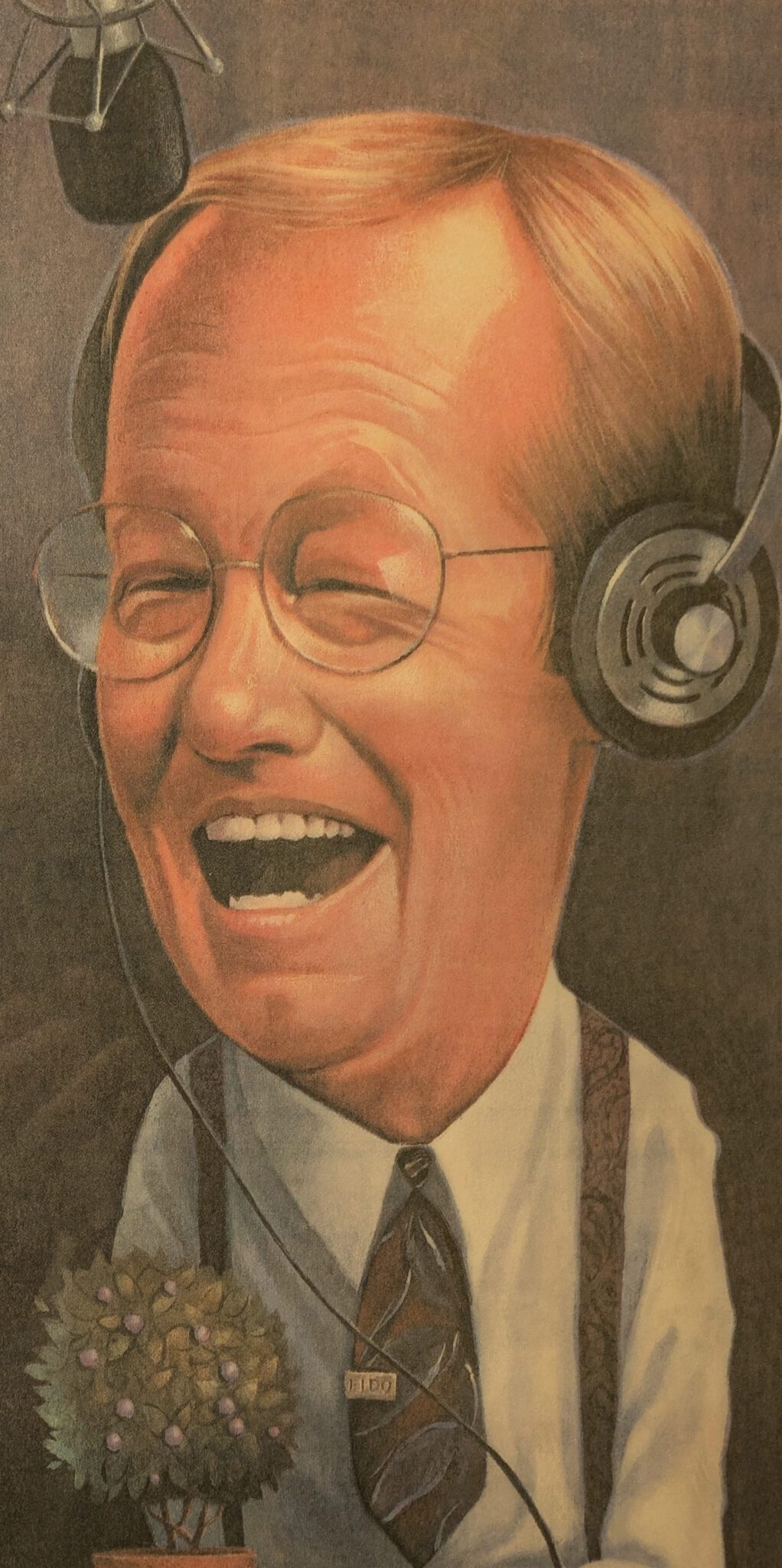
Born and raised in Philadelphia, Chuck attended St. Joe’s Preparatory School, graduating in 1982. He attended East Stroudsburg University, and his love for the Poconos was solidified. On February 24th 1985, he opened the microphone professionally for the first time, on 840-WVPO-AM. Within the year, he was working part-time at sister station 93.5 WSBG-FM. In 1988, he was promoted to full-time status, and continued a career that has lasted for 40 years. In September of 1998, Seese was transferred to Newton NJ to host the morning show on WNNJ-FM. In August of 2000, Seese returned to 93.5 SBG to handle the afternoon drive time slot. He moved to morning drive in 2012.
Seese won his first Pennsylvania Association of Broadcasters award for commercial production in 1989. In 1991 he was named the play-by-play announcer for ESU Warriors Football games on 840-WVPO-AM, and in 2009 was named the George Heaslip Award winner for his excellence in covering ESU Football. With the advent of digital broadcasting at East Stroudsburg University, Chuck has now added basketball, soccer, baseball and softball to his sports broadcasting resume.
Chuck has also been involved with numerous charitable organizations in the Poconos. He was Board Chairman for the American Red Cross chapter here in Stroudsburg. Currently, Chuck serves as Chairman of the Board for the Pocono Family YMCA as they undergo a multi-million dollar renovation.
Chuck married his wife Tracey in January of 1989, and welcomed children in 1989 and 1994. They are very much enjoying 2 grandchildren and never miss a chance at a kayak paddle or a camping trip.
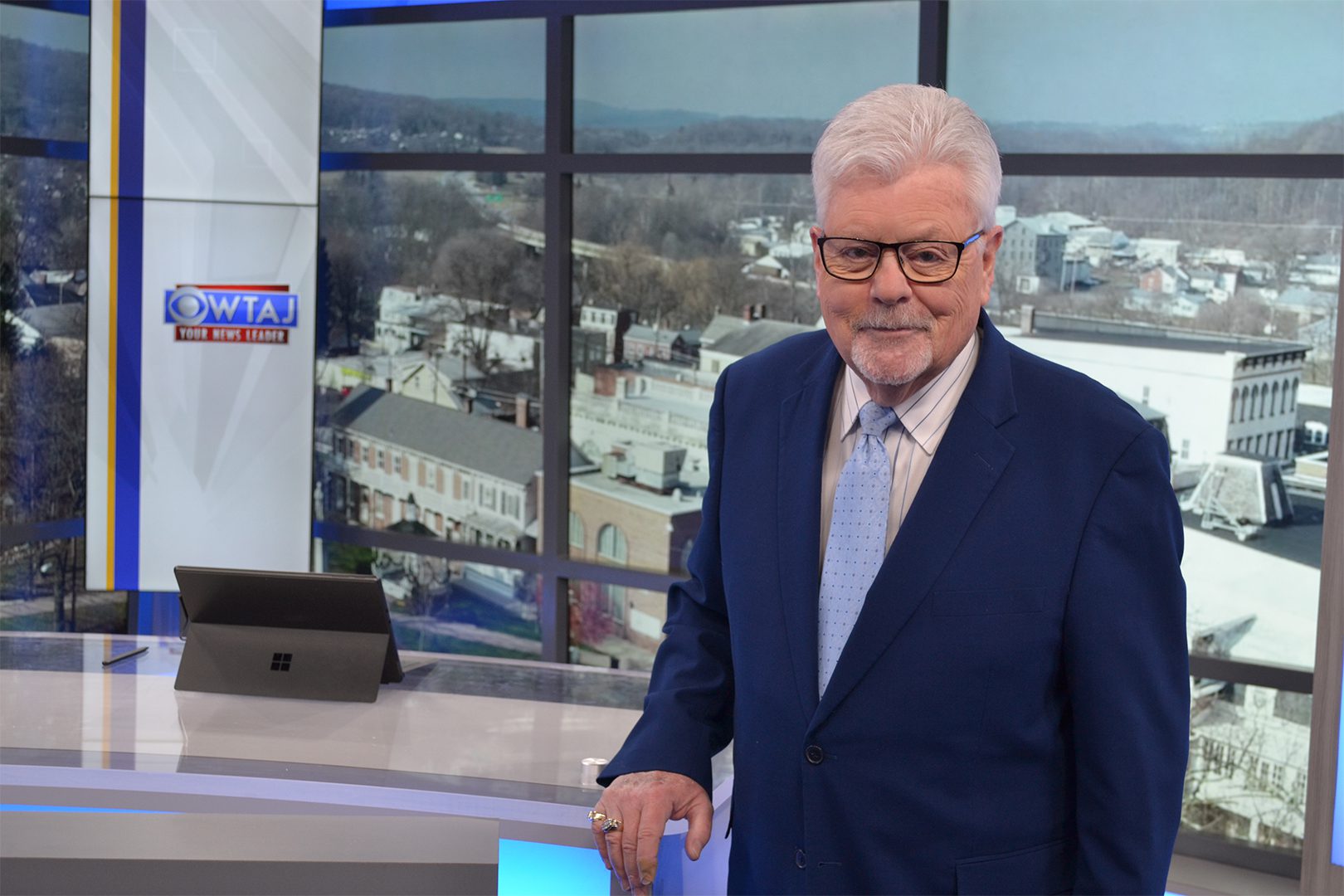
Broadcaster of the Year: Television - Marty Radovanic
Marty Radovanic began his television broadcasting career in 1974, at WJAC-TV in Johnstown, Pennsylvania. He worked primarily for the news department as the main anchor, executive producer, and chief political reporter. He was responsible for editorial content while he mentored and coached dozens of first-time reporters. His proudest accomplishments were helping these young, eager, and talented professionals in their career development and watched as they became successful anchors and news executives across the United States.
Marty was responsible for the execution of six live “Town Halls,” and led the news team in an Emmy nominated news special that provided an in-depth and personal look at heroin addiction in the Greater Johnstown area. He wrote, produced, and anchored five news programs that were honored “Best in State” by the Pennsylvania Association of Broadcasters. During his career, he also managed and anchored WJAC’s coverage of seven United States presidential elections.
Marty retired from WJAC-TV in 2017. But because his love for television news remained strong, he returned to broadcasting as the main evening anchor at WTAJ-TV in Altoona in March of 2023, where he remains today.
Marty was inducted into the National Academy of Television Arts and Sciences – Mid Atlantic Chapter - Silver Circle Society in 2022. In 2024, he received the Douglas A. Anderson Communications Contributor Award by the Bellisario College of Communications at Penn State University.
Marty was born in Cleveland, Ohio and made Johnstown his home in 1972. He is active in the community currently serving on the Johnstown Symphony Board of Trustees.
TV Hall Of Fame - David Johnson
David was born in Jacksonville, Florida, and grew up near Daytona Beach.
He graduated from the University of Florida with a degree in Broadcast Journalism.
He started his TV news career while in college and has worked at stations in Jacksonville, Chattanooga, Orlando and Atlanta.
He joined WPXI-TV in Pittsburgh in January of 1985 as noon anchor and evening reporter.
He was promoted to evening news anchor in 1989, and the following year he began a 31 year partnership with co-anchor Peggy Finnegan, becoming the longest running anchor team in Pittsburgh history.
They were named the PAB’s Broadcasters of the Year in 2016, the first anchor team to be so honored.
David has won three Mid Atlantic Emmys and numerous Press Club of Western Pennsylvania Golden Quill Awards.
He retired just four months ago after a 40 year career at WPXI.
Upon his retirement, the station named the main news studio in his honor.
Radio Hall of Fame - Jack Bogut
Jack Bogut heard KDKA for the first time when he was growing up in rural north central Montana. In 1942, while attending a one-room all-grades school, 6-year-old Bogut’s teacher showed his class a small radio crystal from a Cracker Jack box with instructions detailing how to connect it to a piece of copper wire. If you held the crystal to your ear, you might be able to hear a distant radio station. His classmates only heard static, but Bogut heard a faint voice say the call letters of a station he didn’t recognize then. The call letters were K-D-K-A. 26 years later in 1968, he would become the morning host and favorite personality on the world’s first radio station, KDKA Pittsburgh.
In 1967, Jack and Joni Bogut and their children John, Brenda, and Lisa moved to Pittsburgh from Salt Lake City.
Bogut dominated the Steel City’s ratings for more than 15 consecutive years (1968-1983) while hosting the “Bogut In The Morning Show” on KDKA-AM. During his long and storied career, Jack also served as morning host on WTAE-AM, WSHH-FM, and WJAS-AM. Additionally, he hosted his own namesake television show on WTAE-TV and a business-based talk radio segment on WPTT-AM. As a “pitch man,” Jack selectively represented many of Pittsburgh’s finest businesses and corporations.
Jack used his morning show platform and philanthropic muscle to raise both awareness and millions of dollars for worthy charities, including the Free Care Fund at Children’s Hospital of Pittsburgh and the Make-A-Wish Foundation of Western Pennsylvania.
In 1981, Jack was featured live on ABC Television’s “Good Morning America,” and in USA TODAY, as one of the top morning radio personalities in the nation for not only his consistently high ratings, but his community involvement and work with charities.
In 1983, Jack decided to part ways with KDKA-AM for new combined radio and television roles at both WTAE-AM and WTAE-TV.
In 1988, “Your Bogut” changed addresses again, moving across town to WSHH-FM. With WISH 100 (and later WISH 99.7) his Make-A-Wish broadcasts generated in excess of $2 million annually in support of the Make-A-Wish Foundation of Western Pennsylvania. Even after Jack moved to WSHH-FM’s sister station WJAS-AM, he maintained a presence and helped advise the Make-A-Wish radio campaign.
Jack’s full-time involvement in Pittsburgh radio concluded when WJAS-AM was sold. Despite new ownership’s attempts to convince him to stay on as morning host, their talk format did not appeal to him. The “Bogut In The Morning” show was retired, but Jack never did. His popularity and Pittsburgh’s thirst for nostalgia brought him back to KDKA-AM where he hosted a series of vignettes; those familiar radio “home movies” that endeared him to his listeners during all those earlier years.
Today, he remains active as an advocate for the soon-to-be realized National Museum of Broadcasting which will feature the reconstruction of the original garage in which Dr. Frank Conrad gave birth to commercial radio in America when he founded KDKA.
Among his many other accolades, Jack was inducted into the Broadcasters Hall of Fame, received a Pittsburgh Radio and Television Club Lifetime Achievement Award and was presented with a March of Dimes A.I.R. (Achievement in Radio) Lifetime Achievement Award. Jack Bogut will forever be remembered for the unparalleled way he harnessed the power of radio and channeled it for philanthropic good.


Recommended Posts
Sep 23, 2026
More Than Membership: How PAB Helps Pennsylvania Broadcasters Strengthen Their Stations and Stay Ahead
More Than Membership: How PAB Helps Pennsylvania Broadcasters Strengthen Their Stations and Stay Ahead In the dynamic world of broadcasting, staying ahead of the curve is essential for success. Pennsylvania broadcasters have a powerful ally in the PA Association of Broadcasters (PAB)—a membership-driven trade association that offers a wealth of resources, advocacy, and community support. As the first state broadcast association in the nation, PAB is dedicated to ensuring that Pennsylvania radio and TV stations of all sizes are well-equipped to navigate the ever-changing media landscape. Advocacy and Legal & Compliance Support Navigating the complex regulatory environment is a challenge for any broadcaster. PAB provides invaluable legal support to its members, ensuring compliance with both state and federal broadcasting regulations. Through partnerships with seasoned legal counsel from Wilkinson Barker Knauer for federal issues and Ballard Spahr, LLP for state matters, PAB members have access to expert guidance that helps them avoid costly compliance pitfalls. Moreover, PAB's Alternative Broadcast Inspection Program (ABIP) offers FCC-style inspections that save time and money by proactively identifying and addressing compliance issues. PAB also supports the Emergency Alert System (EAS), ensuring that members are prepared to distribute public safety warnings in line with FCC mandates. Cultivating Workforce and Talent Attracting and retaining top talent is a priority for Pennsylvania broadcasters, and PAB plays a crucial role in workforce development. The Broadcast Engineer Futures Enterprise program reimburses member stations for Society of Broadcast Engineers (SBE) memberships and training, nurturing homegrown engineering talent. Additionally, PAB's Internship Reimbursement Program provides stations the opportunity to offer valuable hands-on experience to interns across various roles, from sales to IT and engineering. Training and Revenue Growth Opportunities Professional development is at the heart of PAB's mission to empower broadcasters. Through partnerships with P1 Learning, the Radio Advertising Bureau (RAB), and other industry leaders, PAB offers a range of expert-led training programs. Members can access free RAB courses, expanded RAB Live training webinars, and the Ten Minute Trainer Network, all designed to enhance skills and drive station revenue. PAB also provides Broadcast Innovation Grants, offering financial support for participation in prestigious industry events and courses, further enhancing members' expertise and competitive edge. Fostering Community Recognition and Engagement PAB recognizes the importance of community engagement in broadcasting success. The organization hosts the annual Excellence in Broadcasting Awards, celebrating the achievements of Pennsylvania stations and individuals. This event not only honors outstanding contributions but also strengthens the sense of community among broadcasters across the state. PAB's Broadcast NOW! program pairs school communications teams with local stations, fostering early career interest in broadcasting and building a pipeline of future talent. Additionally, The Frequency monthly newsletter and PAB's blog offer valuable insights on topics such as FCC compliance, AI in broadcasting, and strategies for increasing local radio ad revenue. Conclusion The PA Association of Broadcasters offers much more than membership; it provides a comprehensive suite of resources, advocacy, and community support that empowers Pennsylvania broadcasters to thrive. From legal compliance to professional development, PAB is committed to helping its members navigate today's challenges and prepare for what's next. To learn more about the benefits of PAB membership and how it can strengthen your station, contact the PA Association of Broadcasters today. Join PAB and become part of a vibrant community dedicated to advancing broadcasting across Pennsylvania.
Sep 16, 2026
How Nonprofits Can Amplify Their Community Impact Through Radio and TV Public Education Campaigns
Amplifying Community Impact: How Nonprofits Can Leverage Radio and TV Public Education Campaigns In today's digital age, where social media platforms and online advertising dominate, one might question the relevance of traditional media like radio and TV. Yet, for nonprofits aiming to amplify their community impact, these platforms remain powerful allies. Particularly in Pennsylvania, where the PA Association of Broadcasters (PAB) offers crucial support, radio and TV continue to play pivotal roles in public education campaigns. Why Traditional Broadcast Still Matters Radio and TV reach vast audiences across Pennsylvania, cutting through the digital clutter to deliver messages directly into homes. Unlike digital ads that users can easily skip or block, broadcast media captures attention, making it an effective tool for spreading awareness. For Pennsylvania nonprofits, this means tapping into a medium that can reach diverse demographics across urban and rural areas. Planning an Effective Campaign Understanding Your Goals and Audience Before launching a campaign, it's essential to define clear objectives. Are you raising awareness, driving donations, or promoting an event? Once your goals are set, identify your target audience. Understanding who you are speaking to will guide the tone, language, and content of your message. Crafting a Compelling Message A successful public education campaign hinges on a compelling message. Focus on clarity and emotion, ensuring your message resonates with your audience's values and needs. Whether it's a call to action or an informative piece, simplicity and relatability are key. Utilizing PSAs and Partnerships The Role of PSAs Public Service Announcements (PSAs) are a cost-effective way for nonprofits to broadcast their message. Many Pennsylvania radio and TV stations offer free airtime for PSAs, providing nonprofits with valuable exposure. However, securing these spots requires strategic planning and relationship-building with broadcasters. Building Relationships with Local Stations Engaging with local stations can significantly enhance your campaign's success. The PAB, based in Harrisburg, serves as a valuable resource for nonprofits looking to connect with stations across the state. By fostering these relationships, nonprofits can secure not only airtime but also potential collaborations for community affairs programs and interview segments. Measuring Impact and Success Tracking Your Campaign's Reach Measuring the impact of your campaign is crucial for understanding its effectiveness. Many broadcasters provide quarterly airtime reports, detailing when and where your message aired. These reports offer insights into the campaign's reach and can guide future strategies. Learning from Common Mistakes Avoid common pitfalls by ensuring your message is concise and tailored to your audience. Overly complex messages or unclear calls to action can dilute your campaign's impact. Additionally, regularly reviewing and adjusting your strategy based on feedback and performance data is vital for continuous improvement. Want to Learn More? Radio and TV remain invaluable tools for Pennsylvania nonprofits seeking to amplify their community impact through public education campaigns. By leveraging the resources and support of the PA Association of Broadcasters, nonprofits can effectively reach their target audiences with compelling messages that drive change. For nonprofits ready to explore the potential of broadcast media, connect with the PA Association of Broadcasters to start planning your next impactful campaign.
Sep 16, 2026
How to Attract and Retain Broadcast Talent in Pennsylvania
The broadcast industry in Pennsylvania, much like the broader media landscape across the United States, faces a unique set of challenges when it comes to attracting and retaining talent. As the media landscape evolves, fueled by technological advancements and changing audience preferences, the demand for skilled broadcast professionals has surged. Yet, many Pennsylvania stations find themselves competing fiercely for talent. Here, we explore actionable strategies to attract and retain broadcast talent in Pennsylvania, leveraging local insights and initiatives supported by the Pennsylvania Association of Broadcasters (PAB). Understanding the Talent Landscape Current Challenges The broadcast industry is grappling with a notable shortage of qualified professionals, particularly among multimedia journalists (MMJs). Historically, the industry has offered low pay compared to other sectors, making it difficult to attract and retain top talent. In fact, 69% of US employers report difficulties in finding skilled talent, highlighting the industry's challenge. Additionally, the rise of digital platforms has created alternative career pathways, further shrinking the pool of potential candidates. The challenge for Pennsylvania's broadcasters is to not only attract talent but retain it in the face of competition from other industries and sectors. Strategies for Attraction and Retention 1. Competitive Compensation and Benefits To attract top talent, Pennsylvania broadcasters must offer competitive compensation. This means not underpaying MMJs but treating all roles as integral parts of the team with clear career pathways. Compensation packages that include health benefits, flexible working arrangements, and bonuses can make broadcast roles more attractive. 2. Professional Development and Training The PAB provides a rich array of professional development initiatives, such as partnerships with the Radio Advertising Bureau (RAB) for training and certifications. Broadcasters should leverage these resources to enhance the skills of their staff, which not only improves job satisfaction but also retention. For new entrants, programs like the Confer Radio Talent Institute at Commonwealth University in Bloomsburg offer a solid foundation. With 70% of graduates landing their first broadcasting jobs post-completion, this institute serves as a vital talent pipeline for Pennsylvania's broadcasters. 3. Enhance Internship Programs Internships present a crucial pathway for nurturing new talent. The PAB's Broadcast Internship Reimbursement Program allows Pennsylvania broadcasters to offer competitive internships. Interns gain holistic exposure to areas like sales, community relations, and IT/engineering, preparing them for a comprehensive broadcasting career. 4. Recognizing and Rewarding Excellence Programs such as the PAB Excellence in Broadcasting Awards, which celebrate outstanding achievements in the field, help retain talent by recognizing their contributions. Encouraging a culture of recognition can foster a sense of belonging and encourage long-term commitment to the organization. 5. Foster Community Connections Local content still matters immensely. Pennsylvania broadcasters can strengthen their ties with communities through engagement in local events and initiatives. Community-connected journalism not only helps stations stay relevant but also provides journalists with meaningful work that can boost job satisfaction. Leveraging Technology and Innovation Amid these strategies, integrating technology can be a significant draw for talent. By adopting AI tools for tasks like transcription and content recommendations, broadcasters can increase efficiency, freeing journalists to focus on creative storytelling. This balance between technology and creativity can be appealing to prospective employees who value innovation. Conclusion In Pennsylvania, attracting and retaining broadcast talent requires a multifaceted approach that balances competitive compensation, professional development, community involvement, and technological innovation. By harnessing the resources and programs provided by the Pennsylvania Association of Broadcasters and others, stations can position themselves as attractive employers in a competitive landscape. For stations looking to implement these strategies or learn more about enhancing their talent management approach, the PA Association of Broadcasters is a valuable partner. Learn more by contacting PAB today.
Contact Us
Fill out this form below and we'll contact you shortly
*Required Fields
Contact Us
208 North 3rd
Street
Suite 105, Harrisburg, PA 17101